New Year New Skin
New year new skin

New Year, New Skin (2026): TCA + Kojic Acid Peels and Stem Cell Facial Infusions for a Real Glow Without Heavy Downtime
January 2026 feels like a clean page. New planner, new habits, new goals. But when it comes to new skin, most people don’t need a cabinet full of random products, they need a plan.
Real change usually comes from doing the right thing in the right order. That can mean prevention (fine lines, early sun damage, dullness) and it can mean correction (dark spots, uneven texture, acne marks). Often, it’s both.
If you want a clear path this year, two in-office options can make a noticeable difference when they’re chosen well and done safely: a TCA + kojic acid peel with peptides and hydrogen peroxide, and stem cell facial infusions designed to boost hydration and glow. The best first step is simple: get clear on what you want your skin to do this year, then match the treatment to that goal.
Start 2026 With a Skin Goal That Makes Sense
Skin goals beat skin guesses. When you pick one or two top concerns, it gets easier to choose the right treatment and support it with smart home care. That’s how you move toward glowing skin without burning out your barrier or wasting money.
A good plan usually follows three steps:
1) Pick 1 to 2 priorities: pigment, texture, acne marks, fine lines, dullness, firmness, or redness.
2) Choose the right in-office treatment: prevention, correction, or a mix.
3) Support it at home: gentle basics plus consistent SPF.
A consult matters because your provider can match treatments to your skin tone, sensitivity, and comfort with downtime. Two people can have “dark spots,” but need totally different approaches based on their skin history and how easily they mark.
Quick self-check, what do you want to change this year?
If you’re not sure where to start, think in plain language. What would make you feel more confident when you look in the mirror?
Common skincare goals include:
- Brighten dark spots or patchy pigment
- Smooth rough texture and visible flakes
- Soften early fine lines
- Calm acne, clogged pores, and bumps
- Improve dullness (that tired look)
- Even out skin tone and add bounce
- Boost firmness, especially around the cheeks and jaw
Also think about two practical details: how soon you want results, and how much redness or peeling fits your schedule. A treatment can be amazing, but it still has to fit your life.
Preventative vs corrective treatments, what is the difference?
Preventative skincare focuses on keeping good skin good. It supports collagen, helps keep pores clear, and maintains an even tone. Think of it like brushing your teeth, it’s not exciting, but it protects your future self.
Corrective treatments are for concerns that have already settled in. This includes dark spots, stubborn discoloration, rough texture, acne marks, and visible sun damage. Correction often takes a series because skin needs time to shed, rebuild, and normalize.
Many people get the best results by doing both, in a smart order. Calm and strengthen first, then correct, then maintain.
TCA + Kojic Acid Peel With Peptides and Hydrogen Peroxide, Brighten, Smooth, and Reset Without Heavy Downtime
A TCA peel is a professional chemical peel used to resurface the skin. It works by encouraging controlled exfoliation so old, uneven surface layers shed and newer skin comes forward.
When TCA is paired with kojic acid for hyperpigmentation, the goal is often clearer: brighten the look of dark spots while smoothing texture. This is why many people search for a chemical peel for dark spots or a peel for texture when they feel stuck with products alone.
This kind of peel isn’t a one-size-fits-all formula. The strength, layering, and timing are customized. Some clients do best with a lighter approach over several sessions. Others can tolerate a bit more intensity with longer spacing. Either way, results usually build over time.
Safety matters here. These are professional-only acids. Timing matters, skin prep matters, and aftercare is not optional. A great peel is less about “strong” and more about “right for you.”
What this peel can help, dark spots, melasma , acne marks, and rough texture increase cell turnover, resurface skin, brighten and support skins renewal and firmness
Each ingredient plays a role, and it helps to understand what that role is.
TCA (trichloroacetic acid) helps resurface. That can soften the look of rough patches, uneven tone, and post-acne marks.
Kojic acid is used to target excess pigment and support a brighter, more even look.
Peptides are often included to support the feel of recovery and help skin look smoother as it rebounds.
Hydrogen peroxide may be used in some professional protocols to support comfort and manage surface oxidative stress. Your provider will choose the method that fits your skin and the peel style.
This peel is often a strong match when you want visible change in tone and texture, not just a temporary glow.
Best for (in plain terms):
- Dark spots from sun exposure or past breakouts
- Uneven tone that makeup can’t fully cover
- Rough texture and a “sandpaper” feel
- Acne marks that linger after the breakout is gone
- Skin that looks dull even with good home care
May not be best for (needs provider screening first):
- Very irritated, inflamed, or windburned skin
- Active infection, open areas, or cold sores that aren’t managed
- Recent sunburn or heavy recent tanning
- Some recent medications or skin-thinning prescriptions
- History of poor healing or easy scarring
- Certain recent procedures (your provider will time this safely)
If you’re prone to hyperpigmentation, that’s not a reason to avoid peels. It’s a reason to get the right peel, the right prep, and strict aftercare.
What to expect, prep, downtime
Most peel stress comes from not knowing what’s normal. Here’s the simple version, your provider may adjust based on your treatment plan.
Before your appointment:
You may be asked to pause strong actives (like retinoids, exfoliating acids, or certain acne products) for a set number of days. Arrive with clean skin when possible, and skip heavy makeup.
During the peel:
You may feel stinging, heat, or tingling. It usually comes in waves.
After the peel (typical timeline):
- Day 1 to 2: Skin may feel tight, dry, or warm. Some redness is normal.
- Day 7 and beyond: Skin often looks brighter and smoother, with more even tone. Makeup tends to sit better.
Aftercare basics (simple but strict):
- Use a gentle cleanser and a bland moisturizer
- Don’t pick or scrub flakes, even if it’s tempting
- Avoid heat, heavy sweating, and hot yoga for a short period
- Skip exfoliants until you’re cleared to restart
- Wear broad-spectrum SPF daily, and reapply
- Avoid tanning, both outdoors and indoor
A peel can fade the look of spots, but sun exposure can bring them right back. SPF is the quiet hero of every pigment plan.
Stem Cell Facial Infusions, Noticeable Glow in One Treatment (and Better Results Over Time)
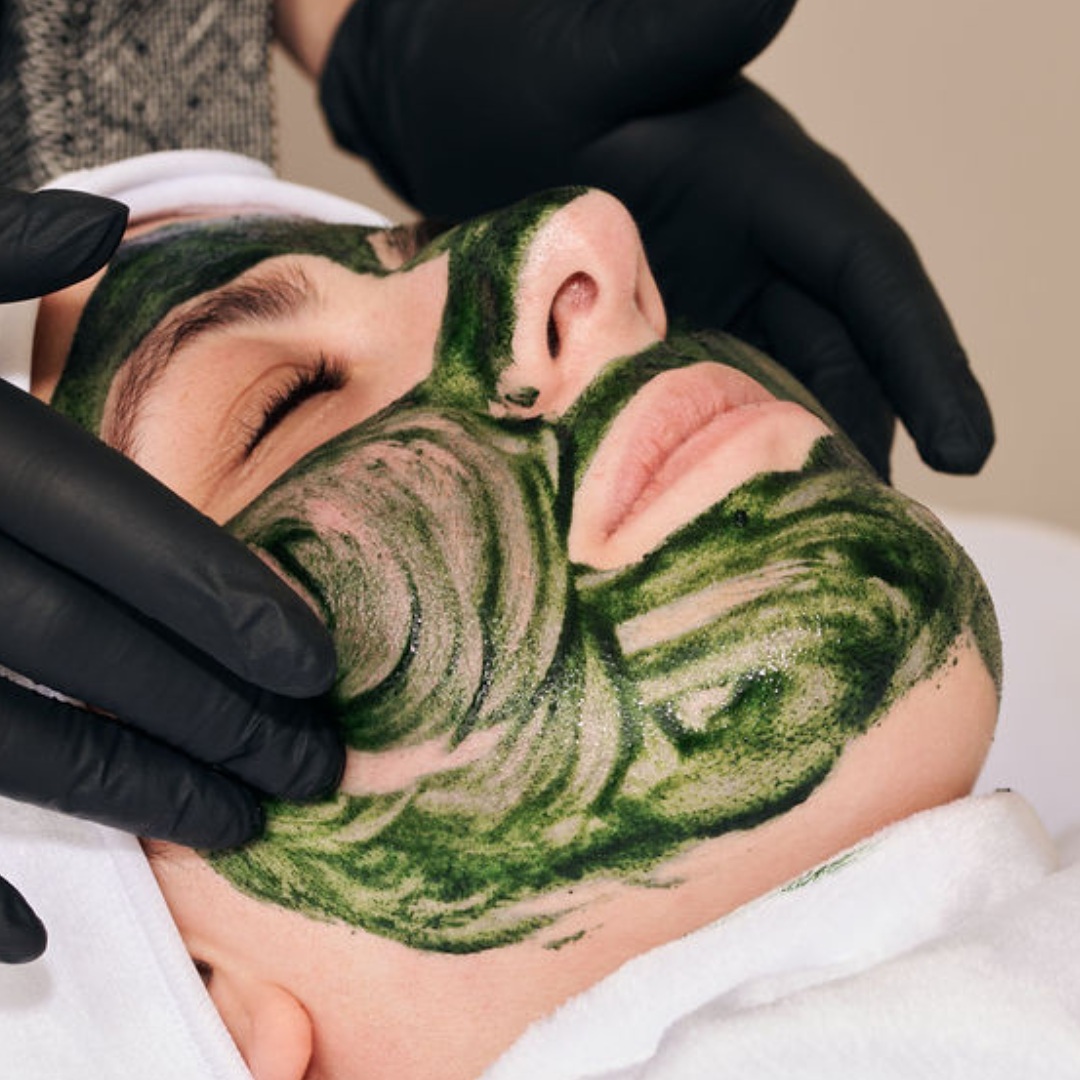
A stem cell facial infusion can sound intense, but in most skincare clinics it’s not about injecting stem cells. It usually means an advanced topical infusion using professional serums that may include stem cell-derived ingredients (or similar skin-supporting factors), applied after skin prep so they absorb well.
Clients often book these as a facial infusion for hydration, smoothness, and a rested look. If you’ve searched for an instant glow facial, a hydrating facial, or a firming facial, this is often the category.
Many people see a same-day difference, especially in dullness and dehydration lines. The bigger value comes when you repeat it as a series, because your baseline skin quality starts to shift. You look better even on a random Tuesday, not only right after an appointment.
Who this is great for, dry, dull, tired-looking skin and early fine lines
This is a strong option when you want results with minimal downtime.
It’s often a great fit if you:
- Feel dry no matter how much moisturizer you use
- Look dull and want that fresh, lit-from-within look
- Have early fine lines that look worse when dehydrated
- Tend to be sensitive and can’t do strong peels often
- Want to prep for a big event (photos, travel, weddings)
It can also pair well between peel sessions. Think of the infusion as support for your barrier, it helps keep skin calm and comfortable while you’re working on pigment or texture with other treatments.
Your first visit, what it feels like and what you see after
Most appointments follow a simple flow. The details vary, but the feel is usually relaxing, not harsh.
A typical visit may include:
- Cleanse and skin assessment
- Gentle exfoliation or treatment prep (based on your skin)
- The infusion step (the hero products (stem cells) are applied and worked in with either nano infusion or applied topically , or the TCA peel is applied topically and worked in manually and rinsed off with cold water after 15 min )
- Calming solution is applied post treatment and celluma light to finish
- SPF to protect your results
Afterward, many clients notice a dewy finish and smoother texture right away. Mild pinkness can happen, especially if you’re sensitive, but downtime is usually minimal. Makeup timing depends on what was used.
One treatment can make you look better fast. A series can help you keep that look without trying so hard.
Your 2026 Glow Plan, How to Choose, Combine, and Maintain Results
If you want a simple decision guide, use this:
Choose a peel when your main goal is pigment, uneven tone, rough texture, and acne marks.
Choose an infusion when your main goal is hydration, glow, and a smoother, firmer look with low downtime.
Choose a combined plan when you want bigger change and you can commit to a schedule.
Downtime and budget count. So does your calendar. A treatment plan should fit real life, not fight it.
Cadence examples can help you picture it, but your consult should set the final timing. Many clients do treatments every 4 to 6 weeks, then shift to seasonal maintenance once they’re happy with their baseline.
Simple treatment roadmap, from first appointment to long-term maintenance
Here are three sample paths that work well for many people. Your skin tone, sensitivity, and lifestyle will shape the final version.
1) Pigment and texture path (correction-first):
Start with a series of TCA + kojic acid peels spaced out as advised, then move into maintenance peels a few times per year. Add an infusion between sessions if your skin needs extra comfort.
2) Glow and prevention path (low downtime):
Book a stem cell facial infusion series, often monthly at first, then switch to a refresh every season. This path is great when you want steady improvement without visible peeling.
3) Combo path (balanced change):
Alternate peel and infusion sessions with enough recovery time. The peel targets pigment and texture, the infusion supports barrier and bounce. This is a popular choice when you want clear results but still want to feel presentable during the process.
Consistency beats intensity. Skin responds best when you give it a rhythm.
At-home basics that protect your results, cleanser, moisturizer, vitamin C, retinoid, SPF
Treatments can do a lot, but home care keeps the results alive. Keep it simple, then stick with it.
The basics that carry most plans:
- Gentle cleanser (no squeaky-clean feeling)
- Barrier-supporting moisturizer (morning and night)
- Vitamin C in the morning (if your skin tolerates it)
- Retinoid at night (only if approved for you)
- Broad-spectrum SPF 30 or higher, every day
If pigment is your main concern, sunscreen is your best friend. Reapply when you’re outdoors, and use hats and shade when you can. That’s the fastest way to stop dark spots from reappearing.
What to avoid after treatments (for a bit):
- Scrubs, brushes, and gritty exfoliants
- Picking flakes or peeling skin
- Trying brand-new strong products right away
- Skipping sunscreen because it’s cloudy
- Tanning, including “just a little”
When your skin is healing, gentle care is productive care.
Conclusion
2026 can be the year your skin starts acting like it’s on your side. Pick one clear goal, book a consult, and commit to a plan you can actually follow.
A TCA + kojic acid peel is a strong choice for dark spots and texture, and a stem cell facial infusion is perfect for hydration and a noticeable glow with little downtime. If you’ve got sensitive skin, pigment concerns, or a big event coming up, a personalized plan matters most. Schedule your appointment and start your 2026 glow with intention, not guesswork.