Let's Talk About The Green Sea Peel
Everything you need to know about the korean green sea peel everyone is talking about.
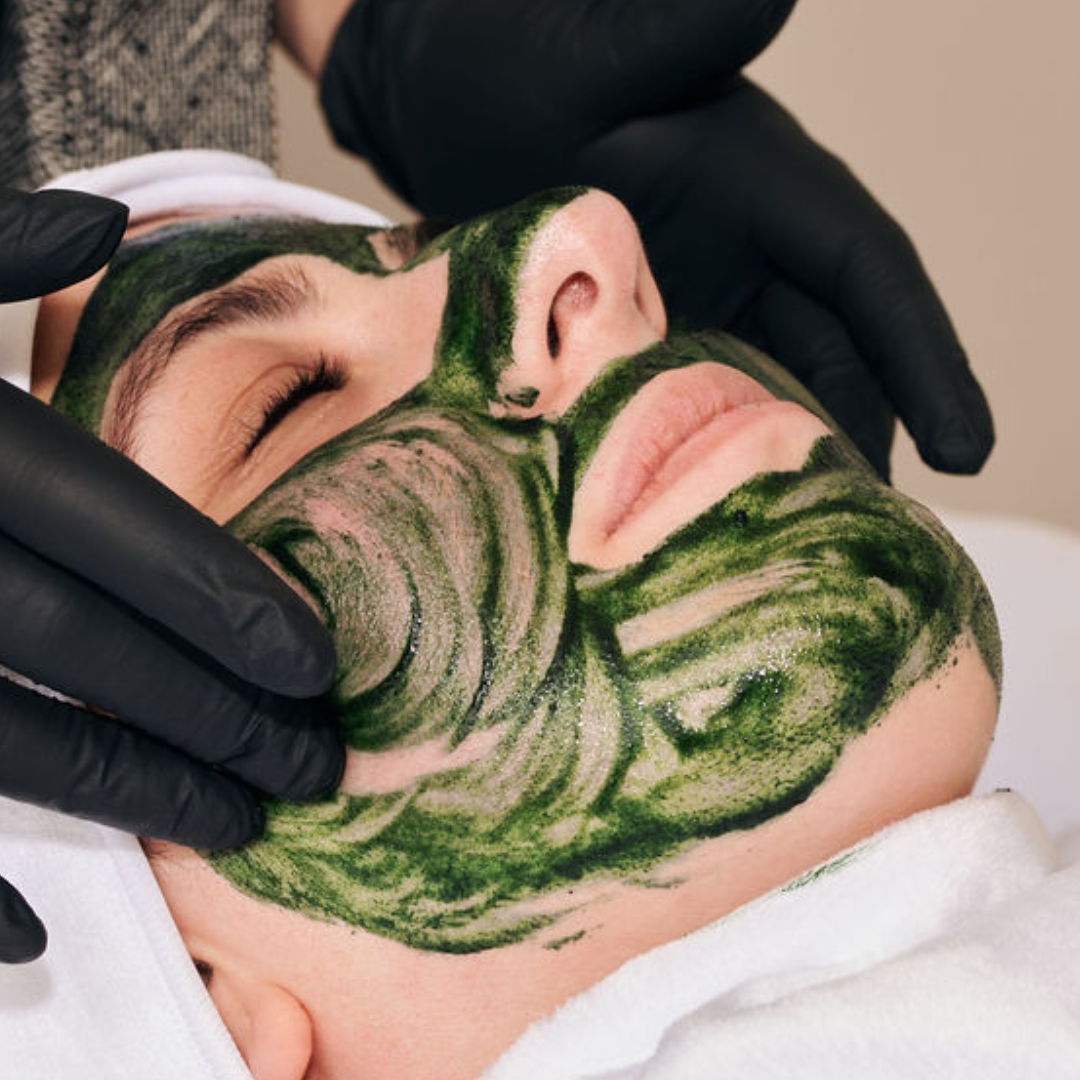
Korean Green Sea Peel: What It Is and What to Expect
The Korean green sea peel is getting attention because it promises a skin reset without the reputation of a harsh acid peel. In plain English, it is a resurfacing treatment meant to loosen dull surface buildup so fresher skin can show through.
That sounds appealing when your face looks tired, rough, or uneven no matter how many serums you try. Before you book one, it helps to know what it is, what it may help with, and where the online buzz gets ahead of reality.
What the Korean Green Sea Peel Actually Is
The green sea peel comes out of Korean aesthetic skincare, where texture treatments often sit somewhere between a relaxing facial and a stronger peel. It is sold as a resurfacing treatment, not a trend with a clever name. The goal is simple: move old, rough skin off the surface so newer skin looks smoother and brighter.
What makes it tricky to define is that there is no single universal formula. Different clinics use different systems. Many describe the treatment as marine-based or botanical, and some market it as a gentler option than a classic acid peel. A good plain-language green sea peel overview shows how much the details can vary by provider.
How the treatment works on your skin
Most appointments start with a cleanse and skin check. Then the provider applies the peel and works it into the skin. Depending on the formula, you may feel tingling, prickling, warmth, or a scratchy sensation.
After that, the skin usually looks pink and feels tight. Over the next few days, dry skin can flake or shed. That shedding is the visible part of the reset people talk about. As the surface clears, the skin may look smoother and feel more even.
The key point is that this is resurfacing, not basic pampering. A facial can leave you soft and hydrated for a day. A green sea peel asks your skin to go through a short turnover phase.
### What makes it different from chemical peels and other facials
A regular facial focuses on cleansing, steam, massage, extractions, and hydration. You usually leave glowing, and there is little downtime. A green sea peel is more active than that. It is meant to change the skin surface, not only make it feel fresh for the afternoon.
Chemical peels usually rely on acids such as glycolic, lactic, or salicylic acid. By contrast, many green sea peel treatments are marketed as using marine and plant-based exfoliating ingredients instead. That difference matters if your skin does not do well with stronger acid peels, although "natural" does not always mean mild.
It also has a different rhythm. With a facial, the result is often immediate but short-lived. With a peel, the process is slower. You may look a bit red first, then dry, then better a few days later. That delayed payoff is why some people love it and others decide it is more work than they expected.
Benefits people want from the Korean green sea peel
People search for this treatment because they want visible change, not only a spa-day glow. The most common goals are smoother texture, more brightness, and skin that looks less tired. Still, results vary. Your skin type, the product used, and your aftercare all shape the outcome.
Smoother texture and brighter-looking skin
This is the biggest reason the green sea peel keeps showing up on skincare feeds. When dead skin cells build up, the face can look flat, rough, or dusty even when it is clean. A resurfacing peel can help remove that layer, so light reflects better and the skin looks clearer.
That is why people often describe the finish as softer or more polished rather than dramatic. A quick glow can happen, but the more realistic result is better texture and a fresher look after the peeling settles. That lines up with this green sea peel benefit summary, which highlights exfoliation and radiance rather than miracle claims.
Acne marks, pores, and early signs of aging
Some people also try the treatment for lingering post-acne marks, visible pores, or fine lines. The logic is easy to follow. When the surface becomes smoother, uneven spots can look less obvious, and the whole face can appear more refined.
That said, this is not a cure for deep acne scars or advanced sun damage. It may soften the look of mild marks and roughness, but severe concerns usually need a broader plan. A licensed provider should tell you where a peel can help and where it will fall short.
The same goes for pores. A peel cannot erase them, because pores are part of your skin structure. What it can do is help the area look cleaner and smoother, so they seem less noticeable.
Why social media made it so popular
Social media loves treatments with a visible before-and-after arc. The green sea peel has one. You see the dull skin, then the pink phase, then the reveal. That makes it easy to package into short, satisfying videos.
A scroll through a viral KRX Green Sea Peel reel shows why people get curious so fast. The treatment looks active, the peeling stage looks dramatic, and the final skin looks fresh on camera.
Viral before-and-afters show the finish line, not the full week between treatment and results.
That matters because online clips rarely show the boring part. They do not always show the dryness, the no-scrubbing rule, or how different one person's skin can be from another's. Social media made the treatment feel huge. Your own skin may respond in a quieter way.
What to expect before, during, and after the treatment
A first appointment feels less mysterious when you know the steps ahead of time. Most of the stress comes from not knowing what your skin will feel like later that day, or three days later.
How to prepare your skin before your appointment
Prep starts a few days before treatment. Most providers will ask you to pause strong exfoliants and retinoids for a short window. That often includes scrubs, acids, and anything that already makes your skin sting.
Sun exposure also matters. If your face is burned, irritated, or wind-chapped, a peel can feel harsher and heal less smoothly. It helps to keep your routine calm, wear sunscreen, and follow the clinic's directions exactly.
If you are unsure what product line the provider uses, ask. Since formulas vary, it is smart to know whether the peel is acid-based, marine-based, or mixed with other active ingredients.
What the treatment feels like in real life
The appointment itself is usually short. Many take under an hour, although timing depends on the clinic and whether the peel is part of a larger facial service.
During the application, expect some bite. Some people say it feels tingly. Others say it feels scratchy or hot for a few minutes. Most people can handle it, but it is not the dreamy, sleepy kind of facial.
Right after, the skin may look pink or flushed. It can feel tight, warm, or a little rough. Then the real process starts at home, because the visible peeling often shows up later rather than in the treatment room.
The aftercare rules that matter most
Aftercare is where good results can get protected, or ruined. Use a gentle cleanser, a plain moisturizer, and daily sunscreen. Your skin barrier is working harder after resurfacing, so keep the routine simple.
Do not scrub the flakes off. Do not pick peeling edges. Skip strong acids, retinoids, and rough washcloths until your provider says your skin is ready.
If flakes start lifting, let them come off on their own. Pulling them can leave raw, blotchy spots.
Some providers also ask you to avoid heavy sweating, hot saunas, or long sun exposure for a short period. Those rules are not random. Freshly resurfaced skin is easier to irritate, and small mistakes can stretch out recovery.
Who should try it, and who should skip it
This peel makes the most sense for people who want help with surface issues. It is less about changing your whole face and more about polishing what is already there.
Skin types and concerns that may respond well
People often look into a green sea peel when their skin feels dull, congested, rough, or uneven. Mild post-acne marks, stubborn buildup, and early texture changes are common reasons to ask about it.
It may also appeal to people who want a more active treatment than a facial, but are not ready for a stronger peel. If your main goal is a smoother surface and a brighter finish, it can be a reasonable option to discuss with a provider.
A consult matters here. The right peel strength, timing, and prep can change how comfortable the experience feels.
When it may not be the right choice
If your skin is reactive, inflamed, or already over-exfoliated, this may be the wrong week to book a peel. The same caution applies if you have active eczema, rosacea flare-ups, open breakouts, sunburn, or broken skin.
Pregnancy and breastfeeding can also change what providers are willing to use, because formulas and clinic rules differ. If you have used isotretinoin recently, or if you are under a dermatologist's care, ask before scheduling.
Most of all, skip any provider who treats every face the same. A good clinic will ask about your routine, check your skin, and tell you when to wait.
Final thoughts
The Korean green sea peel is popular because it offers a visible skin reset, not only a temporary glow. For the right person, it may help with rough texture, dullness, mild marks, and that tired look skin gets when buildup will not budge.
The best results come from realistic expectations, a careful skin check, and disciplined aftercare. When you treat it like a resurfacing service instead of a trendy facial, the hype becomes much easier to judge.